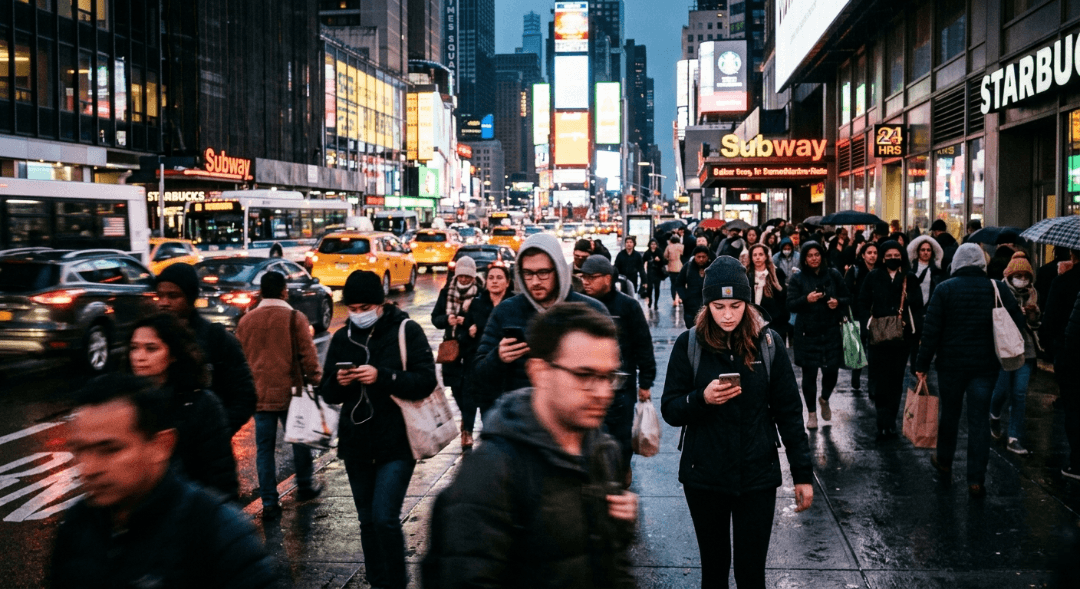
Americans don’t wait anymore. Not really. You see it everywhere, but it hits hardest in politics. A policy gets announced and within hours people have already decided if it’s brilliant or useless. No one’s sitting around thinking, “Okay, let’s give this a few years.” That phase is gone. And this whole Americans want results now thing… it’s not just impatience. It’s almost like people have stopped believing that waiting actually leads to anything.
Life got faster. Expectations followed. Simple as that.
This isn’t complicated.
If everything around you speeds up, your brain adjusts. You don’t even notice it happening.
Food arrives faster. Payments happen instantly. You can plan an entire trip in one sitting — skim something like best time to visit France, pick dates, book, done.
So when a government says, “This policy will take 6–8 years,” it just sounds… off.
Not wrong. Just out of sync with how life feels now.
Policy is slow by nature. Always has been. But people aren’t living slow lives anymore, so there’s friction.
We don’t wait for results — we react to noise
Most people aren’t experiencing policies directly. They’re experiencing headlines.
And headlines are built to trigger you, not inform you.
Something gets announced → clipped → shared → argued over → judged.
All in the same day.
No one’s checking back six months later to see what actually happened.
So yeah, Americans want results now — but half the time, they’re not even reacting to results. They’re reacting to the idea of results.
That’s a weird place to be.
Politicians figured this out… and leaned into it
You can’t really blame them, honestly.
If quick wins get attention, that’s what they’ll deliver.
A policy that gives people something tangible now will always beat something complicated that might work better later.
So you get this pattern:
- Fast relief measures
- Big announcements
- Things that photograph well
And less of the slow, boring work that actually fixes systems.
Because the slow stuff? It doesn’t trend. It doesn’t win elections. It barely gets noticed.
There’s a trust problem sitting underneath all this
This is the part people dance around.
It’s not just that people are impatient. It’s that they don’t trust the process anymore.
If someone says, “This will take 10 years,” a lot of people hear,
“Yeah, this is probably not happening.”
Because they’ve seen plans change. Priorities flip. Entire policies get scrapped halfway through.
So why invest emotionally in something long-term?
Wanting immediate results starts to feel like the safer bet.
Money stress makes patience feel stupid
This one’s obvious but still gets ignored in most conversations.
If you’re financially comfortable, you can afford to think long-term.
If you’re not, you can’t.
Rent’s up. Groceries feel heavier on the bill. Healthcare is… unpredictable at best.
So when someone says, “This reform will help over time,” it doesn’t land.
Over time doesn’t help next month.
That’s why Americans want results now isn’t just cultural. It’s practical.
We compare everything… without context
People are constantly looking at other countries now.
Better transport. Better systems. Cleaner cities. Whatever.
And the reaction is usually: “Why can’t we do that?”
Fair question.
But what people don’t see is how long those systems took to build.
It’s like walking through the Loire Valley castles. You see something beautiful and complete.
You don’t see the centuries of work, the rebuilding, the money, the mess.
Same with places like the French Riviera hidden spots. They feel effortless when you visit. They’re not.
We compare finished products to works in progress. Of course it looks like we’re behind.
Even when things improve… it doesn’t feel like improvement
This part is kind of frustrating.
Some policies actually work. Slowly, quietly.
Infrastructure gets better. Systems get stronger. Access improves.
But because it happens gradually, no one really notices the moment it “worked.”
There’s no clear before-and-after.
Compare that to something instant — like money hitting your account. That sticks.
So slow success ends up feeling like no success.
Which then feeds the whole cycle again.
People don’t just want speed — they want to see something happening
This is where I think most people get it wrong.
It’s not only about speed.
It’s about visibility.
People want signs that something is moving.
Think about how people plan anything now. Even travel.
If someone’s reading a Lyon food guide, they don’t just want a final list. They want to picture the experience — how the day goes, what changes, what builds.
That sense of progression matters.
Policies don’t usually show that. They jump from announcement to expectation, and then… silence.
That gap kills trust more than slow timelines do.
So yeah… where does that leave things?
This isn’t going to magically reverse.
People aren’t suddenly going to become patient again. That version of the world is gone.
So the system has to adjust.
Not by rushing everything. That would backfire.
But by showing progress better. Breaking things into pieces people can actually see and understand. Being a bit more honest about what’s happening in between start and finish.
Right now, that middle part is basically invisible. And that’s the problem.
One thought that keeps coming back
People don’t hate waiting.
They hate waiting for something they don’t believe in.
That’s a different problem entirely.
Fix that, even a little, and you might not need to force patience at all.
FAQs
Why do Americans want results so quickly now?
Because everything else in life is faster. People are used to immediate outcomes, so slow policy timelines feel frustrating and disconnected.
Is impatience always a bad thing in politics?
Not really. It can push leaders to act faster. But too much of it leads to short-term fixes instead of lasting solutions.
Do people really not trust long-term policies?
Many don’t. Past experiences with changing priorities and incomplete plans have made people skeptical.
Can governments adapt to this mindset?
They can, but not by speeding everything up. They need to show progress more clearly and build trust step by step.