
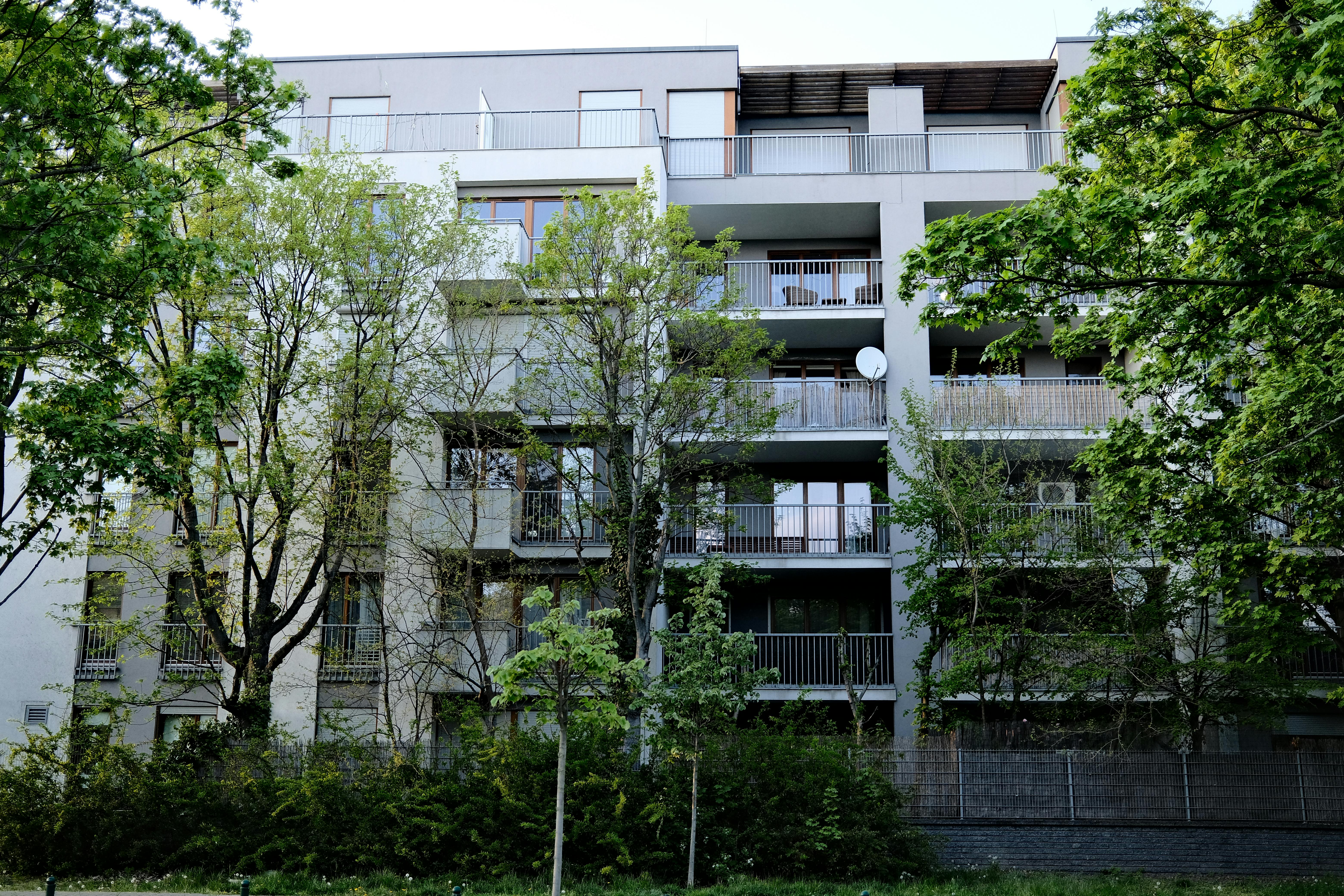
Discover how fractional ownership and co-ownership are revolutionizing luxury real estate investment in 2026. Access high-end vacation homes, diversify your portfolio, and enjoy hassle-free property management with smart, money-generating solutions for discerning investors seeking premium second homes and passive income opportunities.
Introduction to the Topic
In the dynamic real estate landscape of 2026, the dream of owning a luxurious vacation home or a prime investment property often comes with a hefty price tag and the burden of year-round maintenance. Traditional full ownership, while appealing, can tie up significant capital in an asset that might only be utilized for a few weeks or months each year. This challenge has historically kept many aspiring luxury property owners on the sidelines, or worse, burdened them with an underperforming asset.
But what if there was a smarter, more accessible way to step into the world of high-end real estate? Enter fractional ownership and co-ownership – innovative models that are rapidly reshaping how affluent individuals acquire, enjoy, and profit from premium properties. These solutions offer a compelling blend of affordability, flexibility, and professional management, making the once-exclusive realm of luxury second homes attainable for a broader spectrum of discerning investors. As we navigate 2026, these models aren't just trending; they're becoming a mainstream staple for savvy investors looking to optimize their real estate portfolio, reduce costs, and maximize lifestyle benefits. If you're comparing investment properties, exploring booking services for luxury stays, or seeking superior property management solutions, understanding these options is paramount.
Backgrounds & Facts
Fractional ownership, often mistakenly conflated with timeshares, is a fundamentally different and superior investment model. While timeshares typically offer the right to use a property for a specific period each year without actual equity ownership, fractional ownership grants you a deeded, titled share of a tangible asset – a luxury property. This means you own a percentage of the home, often structured as a tenancy-in-common or through a limited liability company (LLC), with all the associated benefits of property ownership, including potential appreciation and equity build-up. Co-ownership takes this a step further, often involving a smaller group of owners who collectively purchase a property, sharing costs and usage according to a pre-agreed structure.
The rise of these models in 2026 is driven by several key factors. Post-pandemic shifts in work culture have normalized remote work, increasing the desire for escape and access to diverse locations. Simultaneously, the sustained high demand for luxury properties, coupled with fluctuating interest rates and soaring construction costs, has made full ownership increasingly prohibitive. Fractional ownership addresses these pain points directly: it lowers the barrier to entry for acquiring prime real estate in desirable locations – from Aspen ski chalets to beachfront villas in Malibu or Tuscan farmhouses. Industry reports indicate a robust growth trajectory, with the luxury fractional market projected to expand significantly by the end of the decade, attracting investors keen on portfolio diversification and those seeking premium second homes without the full financial and operational burden.
Unlike traditional sole ownership, fractional models typically include professional property management. This critical component handles everything from maintenance, repairs, and utilities to cleaning and concierge services, ensuring a truly turn-key experience. This hands-off approach is a major draw for busy professionals and investors who value their time and seek a hassle-free way to enjoy their investment. Furthermore, the legal frameworks supporting these arrangements have matured, offering greater transparency and security for all parties involved, distinguishing them sharply from the more complex and often less flexible timeshare agreements of the past.
Expert Opinion / Analysis
“The shift we’re witnessing in 2026 is profound,” states Dr. Eleanor Vance, a leading real estate economist and wealth management advisor at Global Asset Strategies. “For years, the ultra-wealthy had exclusive access to the most coveted vacation properties. Now, fractional ownership democratizes that access, allowing a broader base of affluent individuals to participate in the luxury real estate market.”
Dr. Vance emphasizes the financial prudence of these models. “Consider the economics: why invest several million dollars into a property you’ll use for only 30-60 days a year? That capital could be working harder elsewhere. Fractional ownership allows you to allocate precisely the amount of capital needed for your desired usage, freeing up the rest for other investments, ultimately optimizing your wealth management strategy.” She highlights the significant reduction in annual carrying costs – property taxes, insurance, utilities, and maintenance – which are split among owners, making high-end property ownership far more sustainable.
From a lifestyle perspective, the benefits are equally compelling. “Our clients report a dramatic reduction in stress,” Dr. Vance explains. “No more worrying about leaky roofs, garden upkeep, or finding reliable local services. The professional management aspect is a game-changer. It transforms a potential headache into a truly luxurious, worry-free experience.” This is particularly attractive for those who value experiences over full ownership burdens.
However, Dr. Vance cautions potential investors. “While the advantages are clear, due diligence is paramount. Understand the specific legal structure, the management company’s track record, the booking system, and the resale process. Liquidity can be a consideration, as selling a fractional share might take longer than selling a whole property, though dedicated resale platforms are emerging. Always consult with a financial advisor specializing in real estate investment to ensure the model aligns with your overall portfolio and financial goals.” She also advises scrutinizing the annual fees and any potential for special assessments, ensuring transparency from the outset.
💰 Best Options in Comparison (VERY IMPORTANT)
The fractional ownership market in 2026 offers several compelling platforms and models, each catering to slightly different investor profiles and preferences. When evaluating these options, consider the property tier, management style, investment structure, and ease of use, particularly concerning booking and resale processes. These platforms are designed to simplify your entry into luxury real estate, offering diverse paths to acquiring your ideal second home or investment property.
- LuxShare Properties: The Turnkey Ultra-Luxury Experience
LuxShare specializes in curating an exclusive portfolio of breathtaking, fully furnished, and meticulously maintained ultra-luxury homes in prime global destinations. Think beachfront mansions, mountain estates, and historic European villas. They typically sell 1/8 to 1/12 shares, providing 4-6 weeks of usage per year. LuxShare handles all aspects of property acquisition, design, furnishing, and a white-glove property management service, including concierge support. Their model emphasizes hassle-free, resort-quality living, making it ideal for those seeking the pinnacle of luxury with zero operational burden. The investment structure is usually through an LLC, offering clear ownership and potential for appreciation. - VoyageEquity Collective: Flexible Co-Ownership & Community Focus
VoyageEquity provides a platform for individuals to form co-ownership groups, often focusing on a slightly broader range of high-end properties (e.g., premium condos, large family homes) in popular vacation spots. While still offering professional management, their model allows for more customization in ownership structure and usage agreements among smaller groups of owners (e.g., 2-4 families). They facilitate legal agreements and provide robust property management tools, but owners often have more direct input into property decisions. This option appeals to friends or family looking to invest together, or individuals seeking a more personalized co-ownership experience with a strong sense of community. - DigitalSlice Realty: Tech-Enabled Fractional Investment & Wider Access
DigitalSlice Realty leverages blockchain technology to offer transparent, secure, and potentially more liquid fractional ownership opportunities. While they do offer luxury properties, their platform often includes a wider array of investment-grade vacation homes and even commercial properties in desirable locations. Shares can be as small as 1/20 or even smaller, tokenizing ownership for greater accessibility and potential for secondary market trading. Their focus is on digital asset management, streamlined booking through AI, and a clear exit strategy enabled by blockchain’s immutable ledger. This is an attractive option for tech-savvy investors looking for diversified real estate exposure and innovative investment vehicles.
Compare these leading fractional ownership platforms to find your perfect match:
| Feature | LuxShare Properties | VoyageEquity Collective | DigitalSlice Realty |
|---|---|---|---|
| Property Tier | Ultra-Luxury (multi-million dollar homes) | High-End Luxury (premium condos, large homes) | Luxury to Investment-Grade Vacation Homes |
| Ownership Structure | LLC-based (typically 1/8 to 1/12 shares) | Tenancy-in-common or custom LLC for small groups | Tokenized ownership (often smaller fractions, e.g., 1/20+) |
| Management Model | White-glove, fully managed, concierge services | Professional management with owner input | Tech-driven, AI-optimized property management |
| Booking System | Sophisticated app-based scheduling, fair rotation | Flexible app-based or direct group coordination | Blockchain-secured, AI-optimized booking slots |
| Typical Usage | 4-6 weeks per year per share | Customizable per group agreement | Variable, based on token share and booking |
| Fees (Initial & Annual) | Higher entry cost, comprehensive annual fees (all-inclusive) | Moderate entry, variable annual fees (management + shared costs) | Lower entry threshold, transparent annual fees + transaction fees |
| Resale Process | Facilitated by LuxShare, often to new qualified buyers | Owner-initiated, often with group approval or platform assistance | Secondary marketplace for token trading, potentially higher liquidity |
| Target Audience | High-net-worth individuals seeking ultimate luxury & convenience | Families/friends investing together, community-oriented investors | Tech-savvy investors, those seeking diversified, accessible real estate exposure |
Outlook & Trends
The future of fractional ownership in 2026 and beyond looks exceptionally bright, driven by ongoing technological advancements and evolving investor preferences. We anticipate a surge in AI-driven property valuation and matching services, making it even easier for investors to find properties that align with their financial goals and lifestyle needs. Virtual Reality (VR) tours will become standard, offering immersive property experiences from anywhere in the world, further streamlining the purchasing intent process.
Blockchain technology, as seen with platforms like DigitalSlice Realty, is poised to play an even more significant role. The tokenization of real estate assets will likely enhance liquidity for fractional shares, creating more robust secondary markets and potentially allowing for even smaller, more accessible investment increments. This could open the luxury real estate market to a wider demographic of investors, transforming it into a more liquid and transparent asset class.
Geographically, while traditional luxury hotspots will remain popular, we expect to see expansion into emerging markets and niche destinations, driven by the digital nomad movement and the search for unique experiences. Furthermore, the integration of ESG (Environmental, Social, and Governance) factors will become more prominent, with a growing demand for eco-friendly, sustainable luxury properties within fractional portfolios. The emphasis will continue to be on maximizing usage, minimizing waste, and offering a premium, yet responsible, ownership experience. As real estate investing evolves, fractional and co-ownership models are set to be at the forefront of innovation, offering compelling alternatives to traditional property acquisition.
Conclusion
In 2026, fractional ownership and co-ownership stand as powerful, intelligent alternatives to traditional second home acquisition, offering a gateway to luxury real estate investment previously deemed out of reach or overly burdensome. These models provide a compelling blend of financial prudence, lifestyle enhancement, and professional convenience, allowing you to own a slice of paradise without the full commitment.
Whether you're a seasoned investor looking for portfolio diversification, a family dreaming of a shared vacation retreat, or a busy professional seeking hassle-free access to exclusive properties, the market now offers tailored solutions. By carefully comparing the best options – from turnkey ultra-luxury platforms to tech-enabled investment vehicles – and understanding their unique benefits and structures, you can make an informed decision that aligns with your financial aspirations and desired lifestyle. The future of luxury property ownership is shared, smart, and more accessible than ever. Explore these innovative pathways today and unlock the door to your dream investment property.