
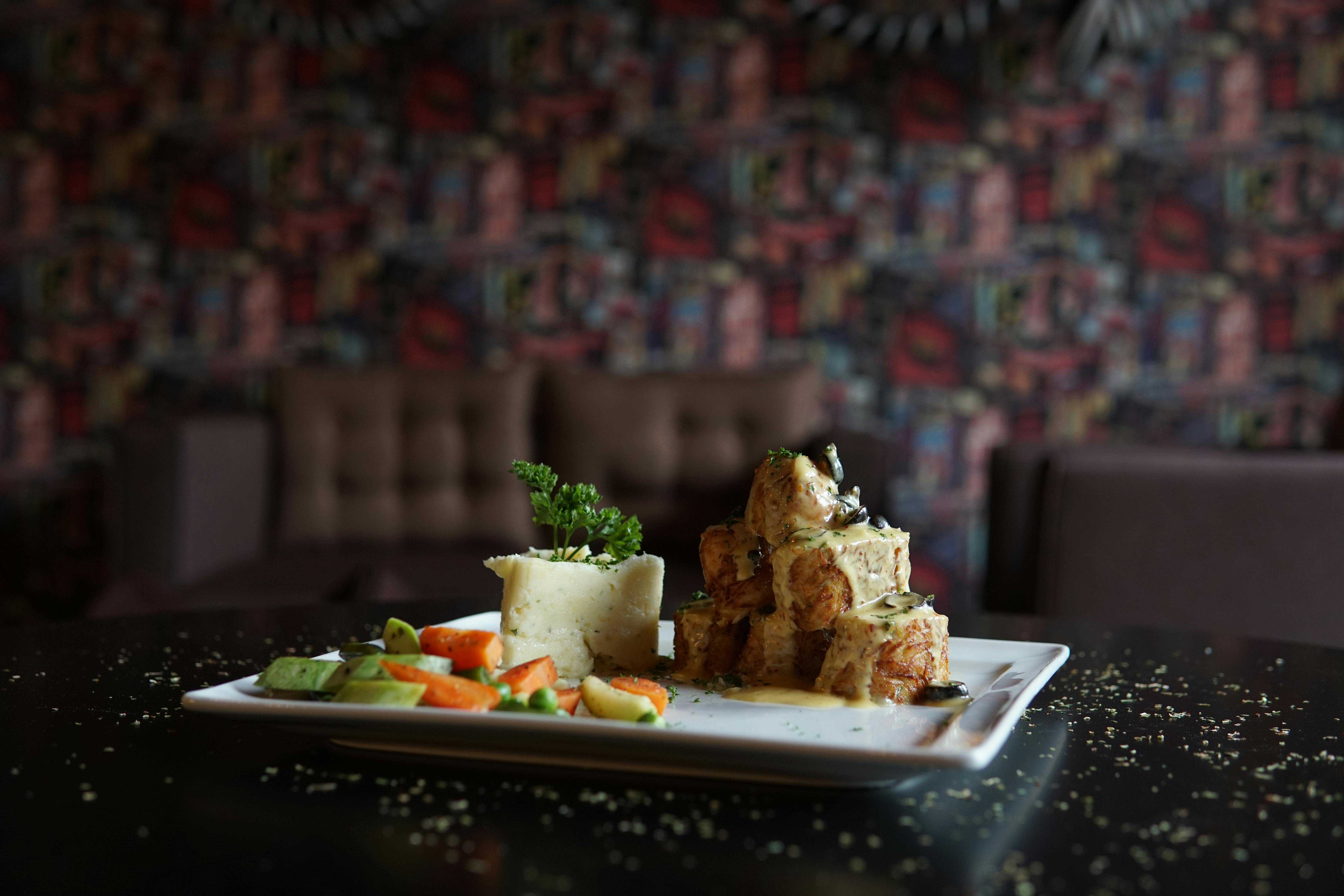
The future of food is here: discover cultivated meat. In 2026, learn what lab-grown protein means for your plate, the planet, and your wallet. Compare leading cell-based brands, understand the taste, price, and where you can purchase sustainable, ethical meat alternatives today.
Introduction to the Topic
Imagine a world where your favorite steak or chicken dinner comes with zero ethical compromise, minimal environmental impact, and consistent quality, all without ever stepping foot on a farm. This isn't science fiction; it's the reality of cultivated meat, and in 2026, it's rapidly moving from the laboratory to supermarket shelves and restaurant menus across America. Once a niche concept, cell-based meat has matured, gaining significant regulatory approvals and consumer interest, particularly among those seeking sustainable and ethical food choices.
Cultivated meat, also known as lab-grown meat or cell-based meat, is a revolutionary food technology that produces real animal protein directly from animal cells, bypassing the need for traditional livestock farming. This innovation promises to address some of humanity's most pressing challenges: climate change, animal welfare, food security, and public health. But as with any disruptive technology, questions abound: Does it taste the same? Is it safe? And perhaps most importantly for the American consumer, where can you buy it, and what will it cost?
This article dives deep into the cultivated meat landscape of 2026, exploring its journey from scientific marvel to commercial reality. We'll uncover the facts, weigh expert opinions, and critically compare the leading brands making their mark on the future of food. If you're looking to understand this groundbreaking shift and make informed purchasing decisions, you've come to the right place.
Backgrounds & Facts
The journey of cultivated meat began over a decade ago with Dr. Mark Post's groundbreaking demonstration of the first lab-grown hamburger in 2013. Since then, the field has exploded with innovation, attracting billions in investment and drawing talent from biotechnology, food science, and culinary arts. The core process involves taking a small sample of cells from a living animal – a biopsy that is harmless and pain-free – and then nourishing these cells in a bioreactor, a controlled environment that mimics the conditions inside an animal's body. These cells proliferate and differentiate, growing into muscle and fat tissue, which are the primary components of meat.
By 2026, the technology has advanced considerably. Early challenges like expensive growth media and scalability have seen significant breakthroughs. Regulatory bodies in countries like Singapore and the United States have established clear pathways for approval, ensuring that cultivated meat products meet stringent safety and quality standards before reaching consumers. In the U.S., the FDA and USDA collaboratively oversee the production, labeling, and sale of these novel foods, providing a robust framework for consumer confidence.
Currently, cultivated chicken and beef products are the most prevalent, with seafood and pork rapidly catching up. While whole cuts like steaks are still a technological frontier, ground meat, nuggets, and patties have achieved commercial viability. The debate over whether it's 'real' meat has largely settled; scientifically, it is identical to conventionally farmed meat at a cellular level, containing the same proteins, fats, vitamins, and minerals. The key difference lies in its origin – grown outside an animal, offering a cleaner, more controlled production process free from antibiotics and common contaminants found in traditional meat supply chains.
The environmental case for cultivated meat is compelling. Studies consistently show that producing meat this way requires significantly less land, water, and generates a fraction of greenhouse gas emissions compared to conventional livestock farming. This makes it a critical player in global efforts to combat climate change and ensure food security for a growing population, especially in America where meat consumption remains high.
Expert Opinion / Analysis
The advent of cultivated meat has sparked robust discussions among scientists, ethicists, environmentalists, and culinary professionals. Dr. Anya Sharma, a leading food biotechnologist at the University of California, Berkeley, emphasizes the precision and safety. "Our advanced bioreactor systems allow for unprecedented control over the meat's composition. We can even tailor nutritional profiles, potentially enhancing vitamin content or reducing saturated fats, something impossible with traditional farming." She dismisses concerns about 'Franken-meat,' stating, "This is real animal tissue, grown under sterile conditions, offering a purer product."
From an environmental perspective, Mark Jensen, Director of the Sustainable Food Institute, highlights the monumental impact. "Cultivated meat represents our best shot at decarbonizing the food system. It requires up to 95% less land and 70% less water. For a nation grappling with agricultural runoff and methane emissions, this technology is not just an alternative; it's a necessity for ecological balance and securing our planet's future."
Chefs, the ultimate arbiters of taste and texture, have also begun to embrace cultivated products. Chef Elena Rodriguez, celebrated for her innovative cuisine at 'The Conscious Plate' in New York, notes, "Early iterations had texture challenges, but by 2026, the quality is remarkable. Cultivated chicken nuggets are indistinguishable from their conventional counterparts, and some cultivated beef patties even offer a richer umami profile. The versatility for culinary application is immense, allowing us to create dishes with a clear conscience."
However, challenges remain. Economist Dr. David Chen from the Wharton School points to the 'price parity' hurdle. "While costs have dropped dramatically, achieving true price competitiveness with the cheapest conventional meats at scale is still a work in progress. Government incentives and continued technological refinement are crucial for mass market adoption." Consumer acceptance, often influenced by perceptions of 'naturalness' and familiarity, is another factor. "Education and transparent labeling are key to building trust," adds Dr. Chen.
Ethically, proponents highlight the elimination of animal slaughter and factory farming conditions. Opponents, often from traditional agricultural sectors, argue about the potential disruption to rural economies and the 'unnatural' aspect. However, the overwhelming consensus among bioethicists is that if cultivated meat can deliver on its promises of sustainability and animal welfare without compromising safety or nutrition, it represents a significant moral advancement.
💰 Best Options in Comparison (VERY IMPORTANT)
As cultivated meat gains traction in 2026, several pioneering companies are making their mark. While availability can still be regional, these brands are leading the charge in taste, texture, and market penetration. Here's a look at some of the top players and what they offer:
- FutureFoods Co. - Cultivated Chicken Bites & Strips: An early market leader, FutureFoods Co. has carved out a reputation for its incredibly authentic chicken products. Their bites and strips are praised by chefs for their fibrous texture and savory taste, making them perfect for stir-fries, salads, or as a standalone snack. Currently, FutureFoods Co. products are available in select upscale grocery stores and feature prominently on the menus of high-end restaurants in major metropolitan areas. Their premium pricing reflects their quality and early innovation.
- GreenGrow Meats - Cell-Based Beef Patties & Ground Beef: GreenGrow Meats is focused on bringing cultivated beef to a broader market. Their beef patties and ground beef are designed for versatility and affordability, making them a strong competitor for the everyday consumer. Available in mid-tier supermarket chains and through major online grocers, GreenGrow aims to achieve price parity with premium organic beef. Their products are lauded for their juicy texture and classic beef flavor, making them an excellent choice for burgers, tacos, and casseroles.
- AquaCultured Delights - Precision-Fermented Seafood Fillets: While not strictly 'cultivated' in the traditional sense (using precision fermentation for proteins), AquaCultured Delights represents the cutting edge of alternative seafood. Their salmon and tuna fillets offer the rich taste, flaky texture, and vital Omega-3s of wild-caught fish, without any of the environmental concerns like overfishing or microplastics. These ultra-premium products are found in specialty seafood markets and Michelin-starred restaurants, targeting gourmands and those deeply committed to ocean preservation.
To help you navigate these exciting new options, here's a detailed comparison:
| Feature | FutureFoods Co. (Chicken Bites) | GreenGrow Meats (Beef Patties) | AquaCultured Delights (Salmon) |
|---|---|---|---|
| Primary Product | Chicken Bites, Strips | Beef Patties, Ground Beef | Salmon Fillets, Tuna Sashimi |
| Key Innovation | Cellular agriculture, clean taste, fibrous texture | Scalable bioreactors, mass-market appeal, juicy texture | Precision fermentation, authentic oceanic flavor, Omega-3s |
| Availability (2026) | Select gourmet stores, high-end restaurants (NYC, LA, SF) | Major supermarket chains, online grocers (National) | Specialty seafood markets, fine dining establishments (Coastal cities) |
| Price Point | Premium ($$) - comparable to high-end organic chicken | Mid-range ($) - approaching organic beef prices | Ultra-premium ($$) - often higher than wild-caught specialty fish |
| Environmental Impact | Very Low (minimal land, water, GHG emissions) | Low (significantly reduced land, water, GHG emissions) | Negligible (zero impact on ocean ecosystems, no bycatch) |
| Taste Profile | Authentic chicken, savory, firm texture | Classic beef, juicy, rich umami | Flaky, rich, delicate oceanic flavor |
| Target Consumer | Early adopters, foodies, health-conscious, ethical eaters | Mainstream consumers, families, environmentally aware | Gourmands, ethical seafood lovers, environmental advocates |
| Where to Buy (Example) | Visit FutureFoods.co for store locator | Find at Kroger, Whole Foods, or GreenGrowMeats.com | Specialty fish markets or AquaCulturedDelights.com |
Outlook & Trends
The cultivated meat industry is on an exponential growth trajectory. Looking beyond 2026, several key trends are set to define its future:
- Price Parity: The relentless pursuit of cost reduction will continue. As production scales and bioreactor technology becomes more efficient, cultivated meat is expected to reach price parity with conventional meat, potentially even surpassing it in affordability for certain cuts, within the next 5-7 years.
- Whole Cuts & Exotic Meats: While ground products dominate now, R&D is heavily invested in creating complex whole cuts like steaks, roasts, and even exotic meats (e.g., cultivated lion or mammoth, for novelty and specific applications, not mass consumption). Advanced scaffolding and 3D bioprinting techniques are key to this development.
- Hybrid Products: Expect to see more hybrid products that blend cultivated meat cells with plant-based ingredients. This approach can enhance texture, flavor, and nutrition while further reducing costs and environmental footprint, offering a stepping stone for consumers transitioning from traditional meat.
- Global Adoption & Regulation: More countries are anticipated to approve cultivated meat for sale, creating a global market. This will necessitate the development of international standards for production, labeling, and trade, fostering greater innovation and competition.
- Personalized Nutrition: The ability to control the cellular environment opens doors to personalized nutrition. Imagine cultivated meat tailored to your dietary needs, perhaps with enhanced Omega-3s, reduced cholesterol, or specific amino acid profiles.
- Investment Boom: The sector will continue to attract significant investment from venture capitalists, food corporations, and governments, recognizing its potential to solve critical global issues and generate substantial returns.
Consumer education will remain paramount. As availability expands, clear communication about the benefits, safety, and production process will be essential to foster widespread acceptance and integrate cultivated meat seamlessly into the American diet.
Conclusion
The rise of cultivated meat is not just a passing fad; it's a fundamental shift in how we produce and consume animal protein, driven by innovation and a growing collective consciousness for a sustainable future. In 2026, we stand at a pivotal moment where the promise of ethical, environmentally friendly, and safe meat is becoming a tangible reality for American consumers. From gourmet chicken bites to everyday beef patties and luxurious seafood, the options are expanding, offering unprecedented choices for those who care about their health, the planet, and animal welfare.
While challenges in cost and widespread distribution persist, the trajectory is clear: cultivated meat is poised to redefine our culinary landscape. As a discerning consumer, exploring these cutting-edge products is not just about trying something new; it's about participating in a movement that could secure a more abundant and sustainable food future for generations to come. We encourage you to seek out these brands, try their offerings, and become part of the delicious revolution. The future of food is on your plate – are you ready to taste it?