
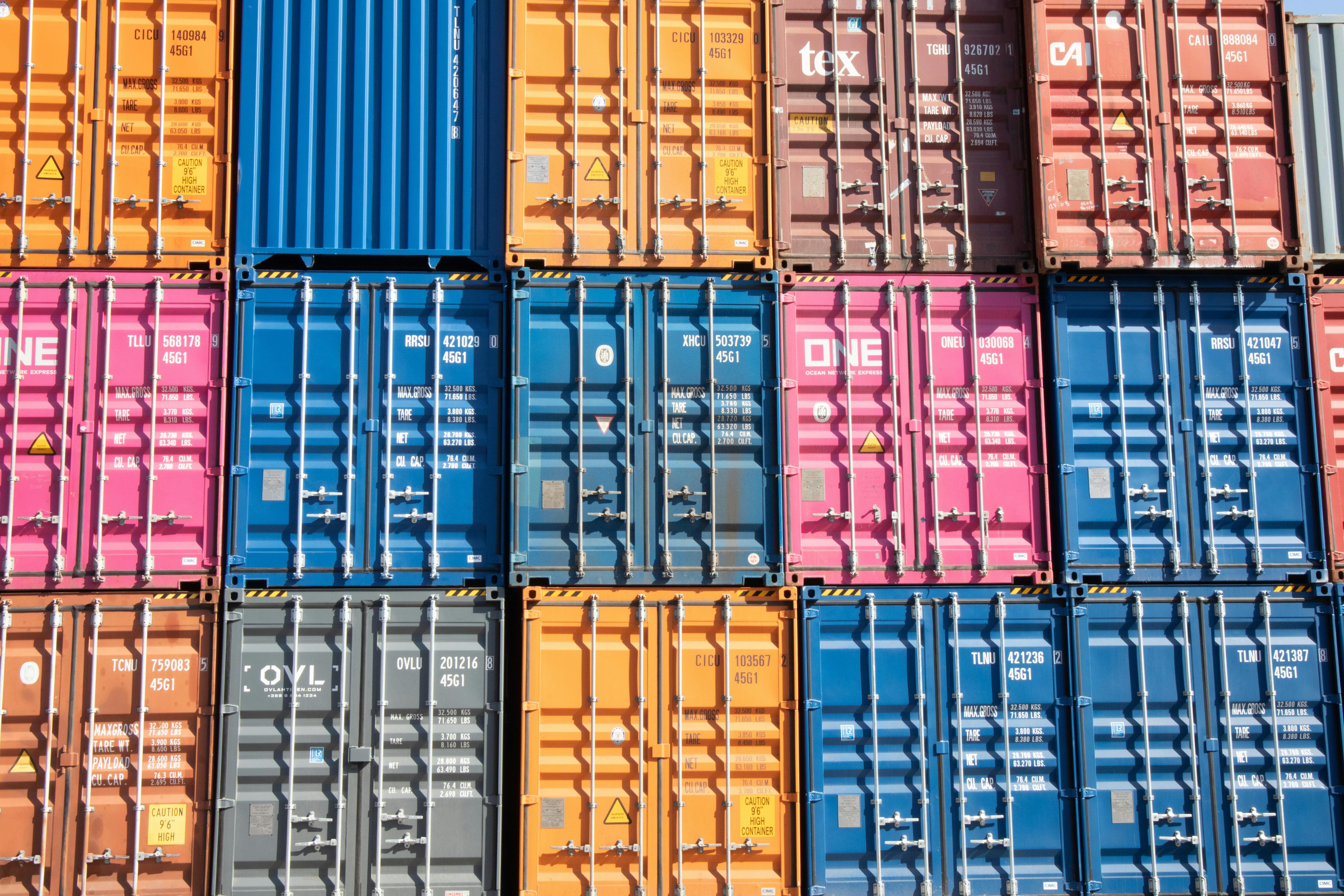
Navigating the complex world of carbon tariffs and green trade policies is now critical for global businesses. Discover how the European Union's Carbon Border Adjustment Mechanism (CBAM) and similar global initiatives are reshaping supply chains, impacting import/export costs, and creating new market opportunities. Learn about essential carbon accounting software, sustainable supply chain consulting, and green sourcing solutions to ensure compliance, optimize costs, and gain a competitive edge in 2026 and beyond.
Introduction to the Topic
The year is 2026, and the global trade landscape is undergoing its most profound transformation in decades. No longer is trade solely about price, quality, and logistics; it's increasingly about carbon footprint. At the forefront of this seismic shift are 'carbon tariffs' – levies imposed on goods imported from countries with less stringent climate policies. What began as an ambitious European Union initiative, the Carbon Border Adjustment Mechanism (CBAM), has quickly become a blueprint for a global green trade revolution, challenging businesses worldwide to re-evaluate their entire operational ethos. For American companies, understanding and adapting to these new rules isn't just about compliance; it's about survival, market access, and unlocking a powerful new competitive advantage.
This isn't merely a niche environmental policy; it's a fundamental recalibration of international commerce that directly impacts your bottom line. From steel and cement to fertilizers and electricity, industries are scrambling to measure, report, and reduce their embedded emissions. Ignoring this trend is no longer an option. Instead, forward-thinking businesses are viewing carbon tariffs as a catalyst for innovation, an opportunity to invest in sustainable practices, and a chance to differentiate themselves in a rapidly greening global marketplace. Are you ready to convert this regulatory challenge into a strategic triumph?
Backgrounds & Facts
The concept of carbon tariffs has been debated for years, but it officially became reality with the European Union's CBAM, which entered its transitional phase in late 2023 and is set to become fully operational in 2026. Designed to prevent 'carbon leakage' – where companies move production to countries with weaker emissions regulations – CBAM imposes a levy on carbon-intensive imports, effectively mirroring the carbon price paid by EU domestic producers under the EU Emissions Trading System (ETS). Initially targeting sectors like cement, iron and steel, aluminum, fertilizers, electricity, and hydrogen, its scope is widely expected to expand.
The ripple effect is undeniable. While the U.S. currently lacks a federal carbon price or a direct carbon tariff mechanism, discussions are intensifying. States like California have their own carbon markets, and the Biden administration has signaled interest in exploring similar border adjustments. Countries like Canada, the UK, and Japan are also examining or developing their own versions, creating a complex patchwork of regulations. The core principle remains consistent: if your products are manufactured using processes that emit significant greenhouse gases, and those emissions aren't accounted for or priced in your home country, you will likely face additional costs when exporting to jurisdictions with carbon tariffs.
For American businesses, this means a dual challenge: first, accurately calculating the embedded emissions in their products, often requiring deep dives into complex supply chains. Second, understanding how these calculations translate into financial liabilities or opportunities when trading internationally. The implications extend beyond direct costs, influencing investment decisions, supplier relationships, and even product design. Businesses that can demonstrate lower carbon footprints will enjoy reduced tariff burdens, enhanced market access, and a stronger brand image, positioning them favorably in a world increasingly prioritizing sustainability.
Expert Opinion / Analysis
“The era of 'free' emissions in global trade is rapidly drawing to a close,” states Dr. Anya Sharma, a leading trade economist and sustainability consultant at Global Trade Insights. “By 2026, carbon tariffs like CBAM are not just European policies; they are a global benchmark. For American manufacturers and exporters, this isn't just another compliance headache; it's a fundamental shift in competitive dynamics.”
Dr. Sharma emphasizes the strategic imperative: “Companies that proactively invest in measuring, reporting, and reducing their carbon footprint will not only mitigate tariff risks but also unlock significant market advantages. We're seeing a 'green premium' emerge, where consumers and B2B buyers are increasingly willing to pay more for demonstrably low-carbon products. Furthermore, access to critical markets like the EU will increasingly depend on robust ESG (Environmental, Social, and Governance) performance, with carbon footprint being a primary metric.”
However, the challenges are substantial. “The complexity of tracing embedded emissions across multi-tiered supply chains is immense,” Dr. Sharma notes. “Many SMEs, in particular, lack the internal expertise or digital tools to accurately track Scope 1, 2, and especially Scope 3 emissions from their upstream suppliers. This creates a significant data gap that must be addressed urgently.” She advises that American businesses should not wait for a domestic carbon tariff to act. “Every dollar invested today in supply chain decarbonization, carbon accounting software, and green energy adoption will yield substantial returns in market resilience, reduced future liabilities, and enhanced brand value. This is not just a regulatory hurdle; it’s an opportunity for American innovation to lead the global green economy.”
💰 Best Options in Comparison (VERY IMPORTANT)
Navigating the new carbon tariff landscape requires strategic investments in technology and expertise. Here are some of the best options for businesses looking to ensure compliance, optimize costs, and gain a competitive edge in 2026:
- EcoTrack Pro: Integrated Carbon Accounting & Compliance Platform. A comprehensive software solution designed to automate the measurement, reporting, and verification of embedded emissions across your supply chain. Ideal for businesses needing robust data for CBAM and other emerging regulations. Features include supplier data integration, scenario planning for carbon pricing, and automated compliance report generation.
- GreenPath Consulting: Bespoke Supply Chain Decarbonization Services. For companies requiring deep strategic guidance, GreenPath offers tailored consulting services. They specialize in identifying high-emission hotspots, developing decarbonization roadmaps, optimizing logistics for lower emissions, and negotiating with suppliers to improve their environmental performance. Perfect for complex multi-national operations.
- SustainSource Connect: AI-Powered Green Supplier Marketplace. This innovative platform connects businesses with pre-vetted, low-carbon suppliers globally. Utilizing AI, SustainSource Connect helps identify alternative sourcing options that meet sustainability criteria and cost efficiency goals, enabling companies to proactively reduce their carbon tariff exposure.
- TradeGreen Finance: Specialized Green Trade Credit & Investment. As green trade becomes mainstream, financial solutions are evolving. TradeGreen Finance provides specialized trade credit, working capital, and investment products specifically designed to support businesses investing in decarbonization technologies, sustainable infrastructure, and green supply chain initiatives, helping manage the upfront costs of transition.
To help you choose the best fit for your business, here's a comparison of these vital solutions:
| Solution Name | Key Feature | Best For | Pricing Model | Compliance Focus |
|---|---|---|---|---|
| EcoTrack Pro | Automated Carbon Accounting & Reporting | Businesses needing precise emissions data for regulatory compliance. | Subscription (tiered by usage/complexity) | High (CBAM, GHG Protocol, CDP) |
| GreenPath Consulting | Strategic Decarbonization Roadmap & Implementation | Large enterprises with complex global supply chains seeking custom strategy. | Project-based fees, retainers | Strategic (long-term risk mitigation & opportunity) |
| SustainSource Connect | AI-Powered Green Supplier Discovery & Vetting | Companies looking to diversify suppliers and reduce sourcing emissions. | Subscription (by volume/transactions) | Indirect (enables compliant sourcing) |
| TradeGreen Finance | Specialized Green Trade Credit & Investment | Businesses investing in green technologies or supply chain upgrades. | Interest rates, transaction fees | Enabling (funds compliance & sustainability efforts) |
Outlook & Trends
Looking ahead, the trajectory of carbon tariffs and green trade is clear: expansion and integration. By 2030, we can expect a more harmonized, albeit still complex, global framework for carbon pricing and border adjustments. The EU's CBAM will likely broaden its scope to include more product categories and potentially cover indirect emissions (Scope 2 and 3) more comprehensively. Other major economies, including the U.S., are expected to introduce their own versions or participate in multilateral agreements that establish shared carbon accounting standards and potentially carbon clubs, where members agree to common high-carbon pricing.
Technological innovation will play a pivotal role. Advancements in blockchain for supply chain transparency, AI for predictive emissions modeling, and IoT sensors for real-time energy consumption tracking will make carbon accounting more accurate and less burdensome. The demand for green hydrogen, sustainable aviation fuels, and other low-carbon inputs will surge, creating new trade flows and investment opportunities. Furthermore, consumer pressure for sustainable products will only intensify, making carbon footprint a key differentiator and a non-negotiable aspect of brand reputation. Businesses that embrace these trends will not only mitigate risks but also unlock significant competitive advantages, positioning themselves as leaders in the sustainable global economy.
Conclusion
The rise of carbon tariffs marks a definitive turning point in global trade. For American businesses, 2026 is not just another year; it's a critical juncture where proactive engagement with green trade policies can define future success. From understanding the nuances of CBAM to investing in robust carbon accounting solutions and strategic supply chain decarbonization, the path forward demands decisive action. The choice is clear: adapt now to the new realities of green trade, convert compliance challenges into strategic opportunities, and secure your place as a leader in the sustainable economy, or risk being left behind in a rapidly evolving global marketplace. The time to act is now – your business, and indeed the planet, depends on it.