
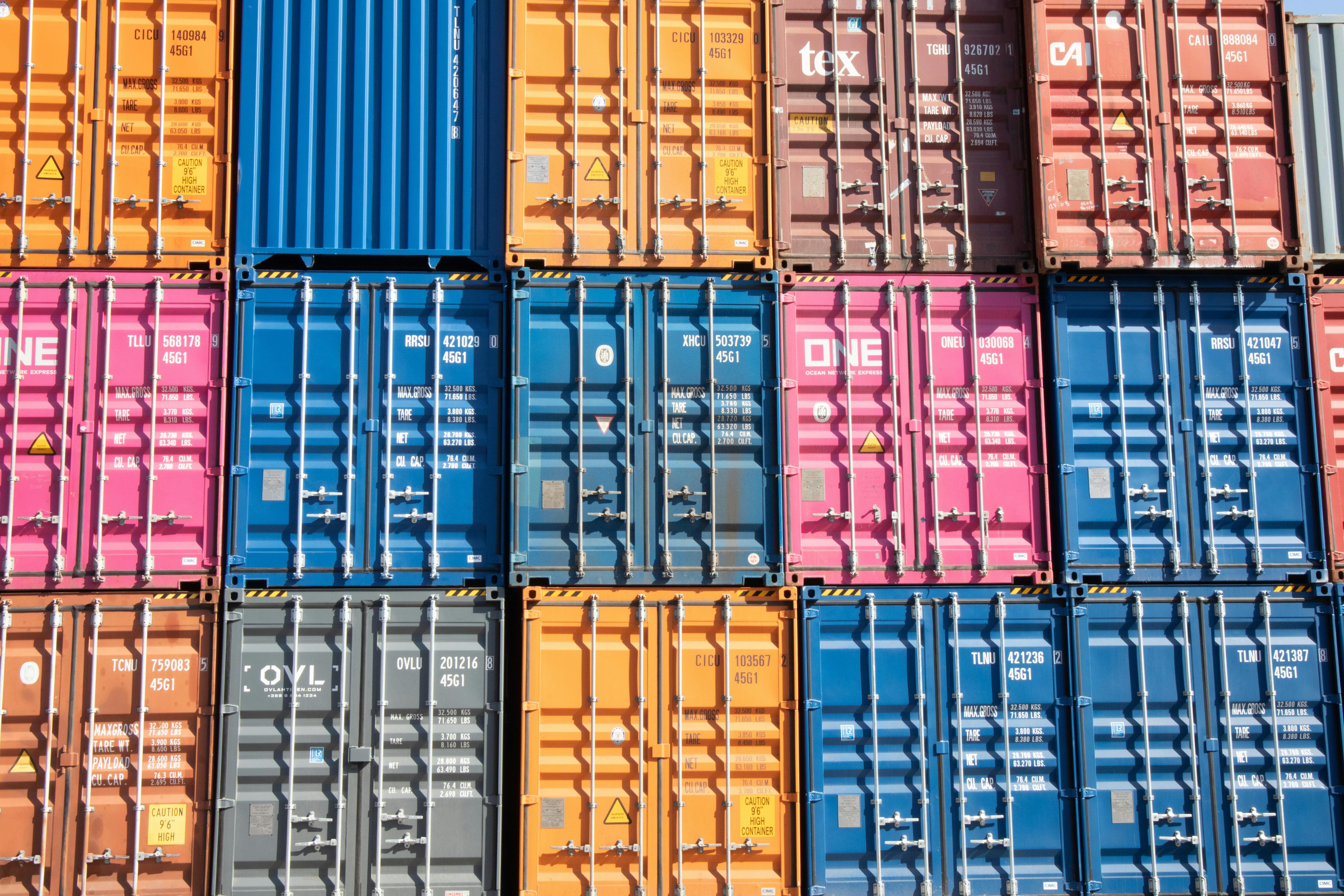
In 2026, Artificial Intelligence isn't just optimizing; it's orchestrating a fundamental shift in global trade. Discover how AI-powered supply chain management and advanced logistics solutions are driving the critical reshoring and nearshoring movement, boosting business resilience, slashing costs, and unlocking unprecedented profit opportunities. This guide compares top AI platforms, logistics providers, and consulting services to help you make informed investment decisions and dominate your market.
Introduction to the Topic
Welcome to 2026, where the buzzwords of yesterday have become the operational imperatives of today. The global trade landscape, perpetually reshaped by geopolitical shifts, climate concerns, and the lingering echoes of past disruptions, is undergoing its most profound transformation yet. At its heart? The symbiotic rise of Artificial Intelligence (AI) and the strategic pivot towards localized supply chains, often dubbed reshoring or nearshoring. For American businesses, this isn't merely a trend; it's a non-negotiable evolutionary step towards greater resilience, efficiency, and sustained profitability.
No longer confined to futuristic visions, AI is now the backbone of predictive analytics, autonomous logistics, and intelligent demand forecasting, making the once-daunting prospect of bringing manufacturing and sourcing closer to home not just feasible, but economically superior. This article will dissect how AI is acting as the primary catalyst, enabling companies to navigate the complexities of reshoring, optimize their operations, and secure a competitive edge in a rapidly evolving market. Prepare to understand the tools, strategies, and partners crucial for harnessing this powerful convergence.
Backgrounds & Facts
The journey to 2026 has been marked by a series of wake-up calls for global supply chains. The vulnerabilities exposed by the early 2020s, coupled with escalating geopolitical tensions, rising labor costs abroad, and an urgent mandate for sustainability, have irrevocably altered corporate strategies. Businesses worldwide realized that hyper-globalization, while offering initial cost advantages, often came at the price of fragility and opacity. The imperative for supply chain resilience and transparency became paramount.
Enter Artificial Intelligence. By 2026, AI's integration into supply chain management has moved beyond pilot projects to widespread adoption. Market analysis projects the global AI in logistics and supply chain market to exceed $20 billion by the mid-2020s, growing at a CAGR of over 25%. This growth is fueled by AI's unparalleled ability to process vast datasets, identify intricate patterns, and provide actionable insights at speeds humanly impossible. From optimizing freight routes and managing warehouse robotics to predicting demand fluctuations with unprecedented accuracy, AI is fundamentally redesigning every facet of the supply chain.
Crucially, AI is the enabler for the reshoring and nearshoring wave. While bringing production back to the U.S. or neighboring countries often implies higher upfront costs, AI mitigates these through:
- Automated Manufacturing: AI-driven robotics and automation reduce reliance on cheap foreign labor.
- Optimized Inventory: Predictive AI minimizes excess stock and warehousing costs, a significant factor in localized setups.
- Hyper-Efficient Logistics: AI-powered route optimization and last-mile delivery reduce domestic transportation expenses.
- Risk Mitigation: Real-time visibility and predictive risk assessment help prevent costly disruptions inherent in complex global networks.
The facts are clear: companies leveraging AI for their supply chain strategies are reporting significant efficiency gains (upwards of 15-20%), reduced operational costs, and a marked improvement in customer satisfaction. This isn't just about moving factories; it's about building smarter, more agile, and inherently American-centric supply chains powered by intelligent technology.
Expert Opinion / Analysis
According to Dr. Evelyn Reed, a leading supply chain economist at the Global Trade Institute, "The notion that reshoring is simply a patriotic ideal or a reactive measure is outdated. In 2026, it's an AI-driven economic imperative. Companies that fail to integrate advanced AI into their supply chain planning for localized production will simply not compete on efficiency, cost, or agility." Dr. Reed emphasizes that AI provides the granular visibility needed to justify the higher initial investment often associated with domestic production.
Similarly, Maria Chen, CEO of 'Synapse Logistics Solutions,' a cutting-edge AI consulting firm, highlights the transformative power of AI in creating a 'self-optimizing' supply chain. "Our clients are seeing AI-driven demand forecasting reduce forecast errors by 30% or more, directly impacting inventory levels and production schedules for their newly reshored facilities. Furthermore, AI-powered quality control systems in localized factories are achieving defect rates previously thought impossible, making 'Made in America' synonymous with unparalleled quality and speed."
The consensus among experts is that AI doesn't just support reshoring; it makes it strategically advantageous. It transforms potential weaknesses (e.g., higher labor costs) into strengths (e.g., reduced lead times, lower transportation emissions, greater control over intellectual property, and superior responsiveness to market changes). The ability of AI to analyze vast datasets on everything from raw material availability and geopolitical risks to consumer behavior and weather patterns means businesses can make data-backed decisions on where to locate, how to produce, and when to deliver, maximizing profit and minimizing risk in their localized ecosystems.
💰 Best Options in Comparison (VERY IMPORTANT)
Navigating the AI-powered supply chain and reshoring landscape requires strategic investment. Here are the top categories of solutions and services to consider for optimizing your operations and embracing the future of trade:
- Option 1: Integrated AI Supply Chain Platforms
These comprehensive software suites offer end-to-end visibility, predictive analytics, demand planning, and inventory optimization. They are ideal for large enterprises with complex, multi-tiered supply chains looking for a holistic solution to manage both global and increasingly localized operations. Leading platforms leverage machine learning to continuously learn and adapt, providing unparalleled insights for strategic decision-making and operational efficiency. - Option 2: Specialized AI Logistics & Fulfillment Providers
For businesses looking to outsource their logistics or enhance specific aspects of their supply chain (e.g., warehousing, transportation, last-mile delivery), these providers offer AI-driven services. They utilize advanced robotics for warehouse automation, AI-powered route optimization for freight and delivery, and real-time tracking to ensure efficiency and speed. This option is excellent for e-commerce businesses, manufacturers, and distributors seeking to optimize their physical flow of goods, particularly for reshoring efforts that require efficient domestic distribution. - Option 3: AI-Driven Supply Chain Consulting & Implementation Firms
If your organization needs a bespoke strategy, assistance with AI model deployment, system integration, or change management for a complete supply chain transformation (including significant reshoring initiatives), these consulting firms are invaluable. They offer expert guidance, help define AI strategies tailored to your business goals, and ensure seamless integration of new technologies with existing ERP systems and operational workflows. This is crucial for companies undertaking major shifts or those lacking in-house AI expertise.
To help you choose, here's a detailed comparison:
| Feature/Service | Integrated AI Supply Chain Platforms | Specialized AI Logistics & Fulfillment Providers | AI-Driven Supply Chain Consulting & Implementation |
|---|---|---|---|
| Primary Focus | End-to-end visibility, planning, optimization (demand, inventory, production) | Physical movement of goods, warehousing, transportation, last-mile delivery | Strategic planning, custom AI solution design, system integration, change management |
| Key Benefits | Holistic efficiency, predictive insights, cost reduction, risk mitigation, improved decision-making | Faster delivery, reduced shipping costs, warehouse automation, improved customer experience | Tailored solutions, expert guidance, successful tech adoption, strategic competitive advantage |
| Best For | Large enterprises, complex global/hybrid supply chains, strategic planners | E-commerce, manufacturers, distributors, companies outsourcing logistics | Companies undergoing major transformation (e.g., reshoring), lacking in-house AI expertise |
| Pricing Model (General) | Subscription-based (tiered by users/modules/data volume) | Per-transaction, volume-based, fixed monthly fees for services | Project-based, retainer, hourly rates (can be significant investment) |
| Example Providers | SAP Digital Supply Chain, Oracle SCM Cloud, Blue Yonder Luminate, o9 Solutions | DHL, Maersk, FedEx (AI-powered services), various specialized AI freight tech startups | Accenture, Deloitte, IBM Consulting, McKinsey & Company (with AI practices) |
Outlook & Trends
The convergence of AI and supply chain transformation is far from reaching its zenith. Looking ahead to the late 2020s and beyond, several key trends will further solidify AI's role in global trade and reshoring:
- Hyper-Personalized Supply Chains: AI will enable even more granular customization, allowing businesses to tailor products and delivery based on individual customer preferences, directly supported by agile, localized production.
- Digital Twins & Simulation: The creation of virtual replicas of entire supply chains will become standard, allowing businesses to simulate the impact of various reshoring strategies, geopolitical events, or AI implementations before committing real resources. This will drastically reduce risk and optimize investment.
- Autonomous Everything: Beyond warehousing, expect to see greater adoption of autonomous trucking, drone delivery in specific niches, and AI-managed port operations, further reducing human intervention and costs in localized logistics.
- Ethical AI & Sustainability: As AI becomes more powerful, the focus on ethical AI (fairness, transparency, accountability) and its role in achieving sustainability goals (e.g., optimizing routes to reduce carbon footprint, identifying ethical sourcing for local suppliers) will intensify.
- Quantum Computing's Emergence: While still nascent in 2026, the theoretical power of quantum computing promises to solve optimization problems in supply chains that are currently intractable, leading to unprecedented levels of efficiency and resilience.
The future of trade is undeniably intelligent, resilient, and increasingly localized. Businesses that fail to adapt will find themselves at a severe disadvantage, while those embracing AI will unlock new frontiers of profitability and strategic dominance.
Conclusion
In 2026, the narrative is clear: AI is not just a tool; it's the architect of a new era in global trade, fundamentally reshaping supply chains and making reshoring an intelligent, profitable, and necessary strategy for American businesses. From cutting-edge platforms providing unparalleled visibility to specialized logistics partners and expert consultants, the solutions are available now to transform your operations.
The time to invest in AI-powered supply chain management is not tomorrow, but today. By strategically integrating these technologies, you can reduce costs, mitigate risks, enhance efficiency, and build a resilient supply chain that thrives in any economic climate. Don't just adapt to the future of trade – define it. Explore the options, consult with experts, and start optimizing your supply chain for peak performance and unparalleled profit. The future of American business success depends on it.