
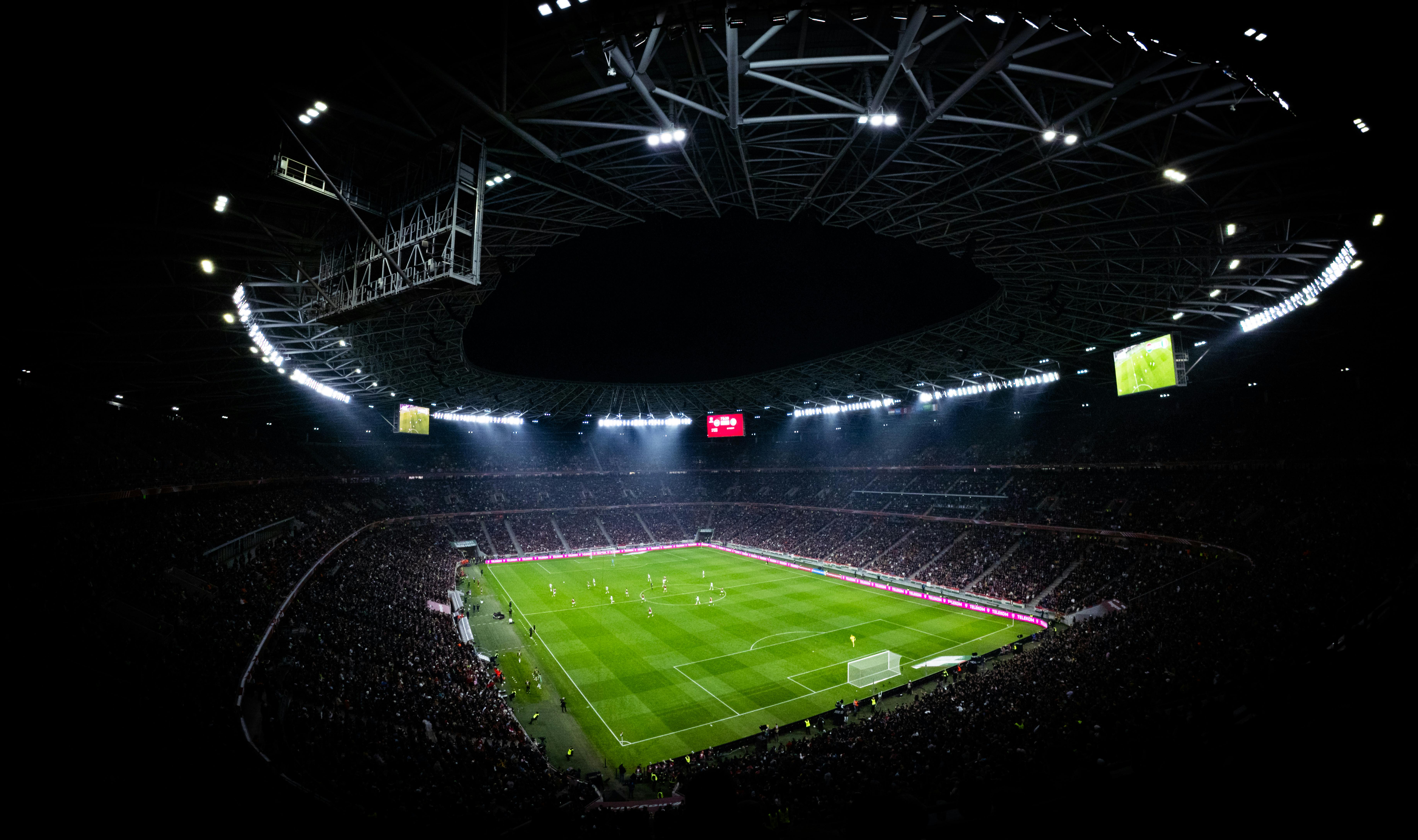
A team can finish last for several consecutive seasons in an American major league and remain in that league. This is the opposite of the promotion and relegation model used across most of the world, and it follows from how the leagues were built.
The league is a closed association of owners
A North American major league is a private organisation whose members are the clubs. Joining requires the existing owners to vote you in, usually in exchange for a large expansion fee.
Membership is permanent once granted. There is no external structure above or below the league from which teams could be exchanged.
The pyramid that makes relegation possible elsewhere simply does not exist in the same form here.
Franchise value depends on guaranteed status
A club is bought as an asset, and its price reflects a permanent share of national broadcast revenue and league sponsorship.
Relegation would make that revenue conditional on results, which would make the asset far riskier and reduce what anyone would pay for it.
Owners are the people who vote on the rules, and they have no incentive to introduce a mechanism that could destroy their own investment.
Stadium finance assumes the team stays
Arenas and stadiums are frequently financed with long-term bonds, sometimes involving public money, repaid from revenues tied to a top-level team playing there.
A relegated tenant would break those projections. Lenders and municipalities underwriting a facility require certainty about what will be played in it for decades.
Long broadcast contracts work the same way, since networks pay for a defined set of markets appearing on the schedule.
Competitive balance is engineered instead
Without relegation, leagues need another way to stop weak teams becoming permanently weak, since a league of predictable results loses audience.
The instruments used are the draft, salary caps, revenue sharing and scheduling weighted toward weaker clubs. All are designed to pull teams back toward the middle.
Elsewhere, relegation performs part of that function by removing the weakest clubs entirely.
The trade-off is visible at both ends
The closed model produces stable franchises, predictable revenue and cities that keep their teams for generations. It also produces seasons where a team has nothing to play for by midsummer.
Open pyramids produce jeopardy in every fixture and financial crisis for clubs that fall. Each system is coherent, and each buys its strength with the other's weakness.