
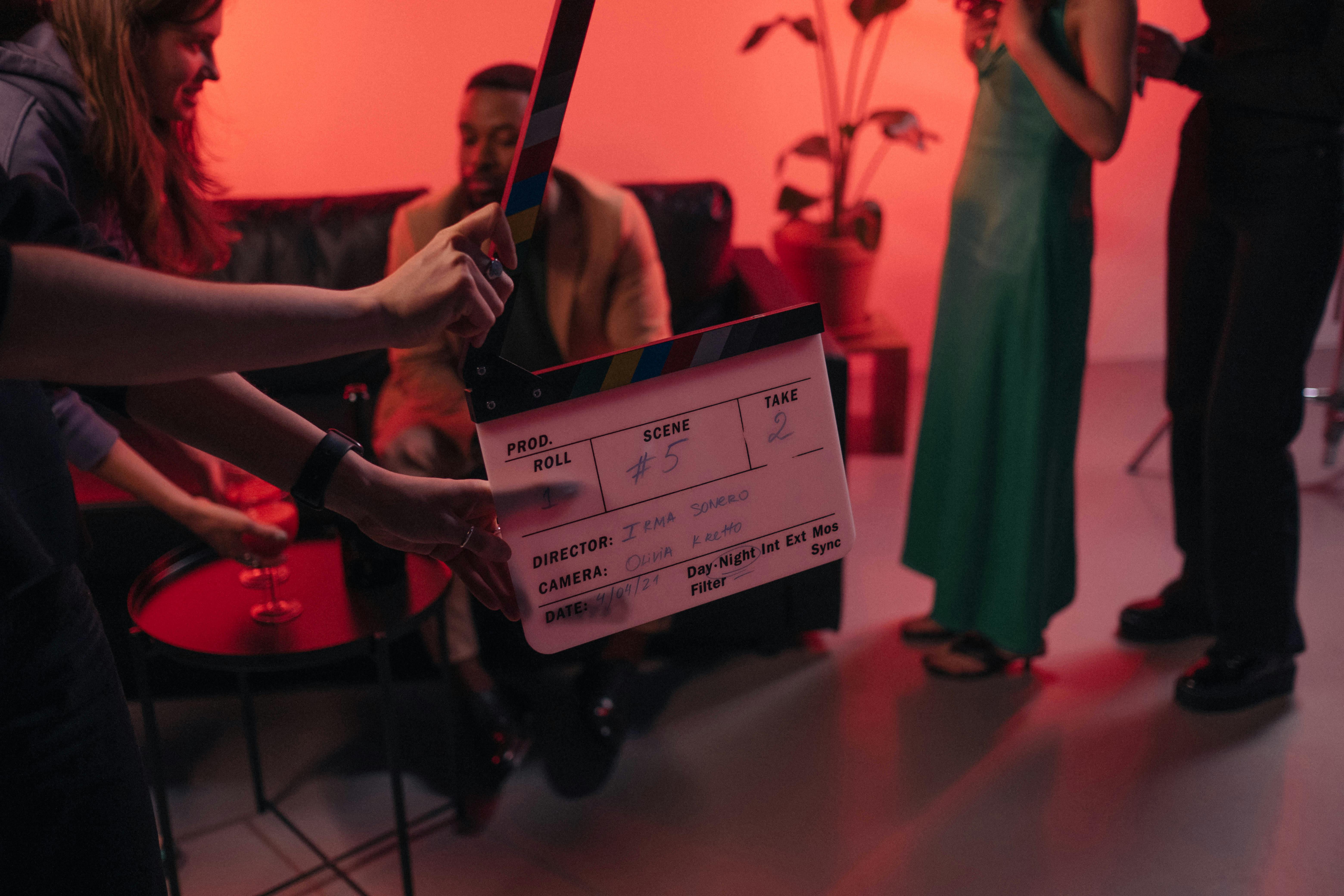
A film from the middle of the last century might close with a short card naming a dozen people. A modern feature can scroll names for eight minutes. The list grew because the workforce did.
Credit is a negotiated term of employment
In much of the industry, screen credit is not a courtesy. It is specified in union agreements and individual contracts, including its wording, size and position in the sequence.
Disputes over credit are formally arbitrated in some crafts, most visibly for writing, where a panel determines the final attribution.
Once credit is contractual, it cannot be trimmed for pace. The roll must accommodate everyone entitled to appear.
Visual effects turned a small department into a large industry
Optical effects were once produced by a handful of specialists. Digital work distributes the same task across compositors, modellers, animators, lighting artists and technical directors.
Large sequences are also split among several vendor studios, sometimes on different continents, each with its own full crew list.
A single effects-heavy film can therefore name more artists than the rest of the production combined.
Production is spread across countries
Incentive programmes have pushed shooting and post-production into multiple jurisdictions, and each location brings a local crew, local suppliers and local production services.
A film shot in three countries has three sets of grips, drivers, coordinators and accountants, all of whom appear.
Financing structures add their own cards, since incentive schemes and co-production treaties typically require acknowledgement on screen.
Music and licensing occupy their own block
Every licensed song requires its writers, publishers, performers and recording owners to be listed under the terms of the licence.
Score credits add the composer, orchestrators, musicians, engineers and the recording facility. Soundtrack material alone can account for a substantial stretch of the roll.
None of it is discretionary, because the licence that permits the music also dictates how it is credited.
Studios found a reason to keep audiences seated
The natural response to a long roll would be to speed it up. Instead, scenes placed after or between the credits give viewers a reason to sit through them.
That practice began as a joke and became an expectation in franchise filmmaking, where the closing minutes are used to set up the next release.
The credits are now both an obligation and a piece of scheduled screen time, which removes any pressure to shorten them.