
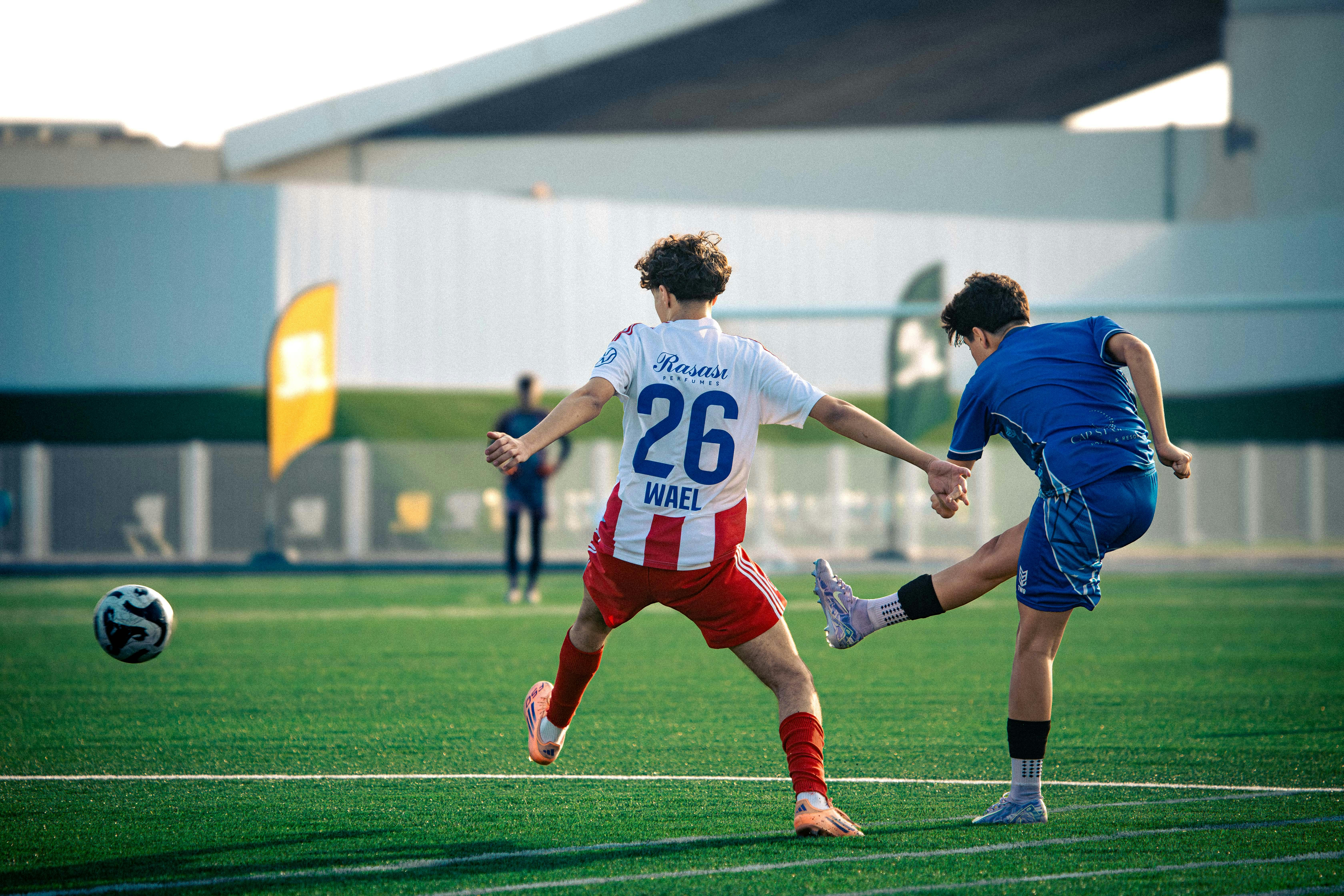
A game stops, nobody is injured, and neither coach called for it. Those pauses are contractual obligations built into the officiating, and they exist because the broadcast was sold long before the game was played.
Advertising is sold as guaranteed inventory
A network buys rights years in advance and recovers the cost by selling advertising slots to buyers who are promised a specific number of spots in specific positions.
Those commitments are made before anyone knows whether a game will be tight or a rout. The breaks must therefore be guaranteed by the format rather than left to chance.
Natural stoppages are unreliable. A half with few fouls or few incomplete passes would otherwise deliver far less inventory than one with many.
The breaks are written into the rules
Rather than hoping for pauses, leagues define them. Media timeouts occur at set points, commonly at the first stoppage after a specified time mark in each period.
Officials are told when these are due, and a designated coordinator on the field or court signals for them.
Coaches' own timeouts are then interleaved, which is why two breaks can arrive within a minute of each other and produce the familiar sequence of a stoppage followed by another stoppage.
Local and national broadcasts have different needs
A nationally televised game usually carries more or longer breaks than the same fixture shown regionally, because the national rights holder has sold more inventory.
This is why the identical competition can run noticeably longer on one night than another, and why postseason games take longer than regular season ones.
The rules of play have not changed. The commercial load has.
Games are also structured to accommodate them
Elements like extended halftime intervals, replay reviews and even the timing of substitutions have all been shaped partly by broadcast requirements.
Reviews are useful here, because they create a pause of predictable length that can absorb a break without adding one.
Leagues have experimented with consolidating breaks into fewer, longer blocks so that the flow of play is interrupted less often even when total advertising time is unchanged.
The audience in the stadium absorbs the cost
Spectators present at the venue receive nothing during a media timeout, which is why arenas fill the gap with music, contests and promotions.
The tension between a live event and a televised product runs through most modern scheduling decisions, and broadcast revenue is by a wide margin the larger of the two.