
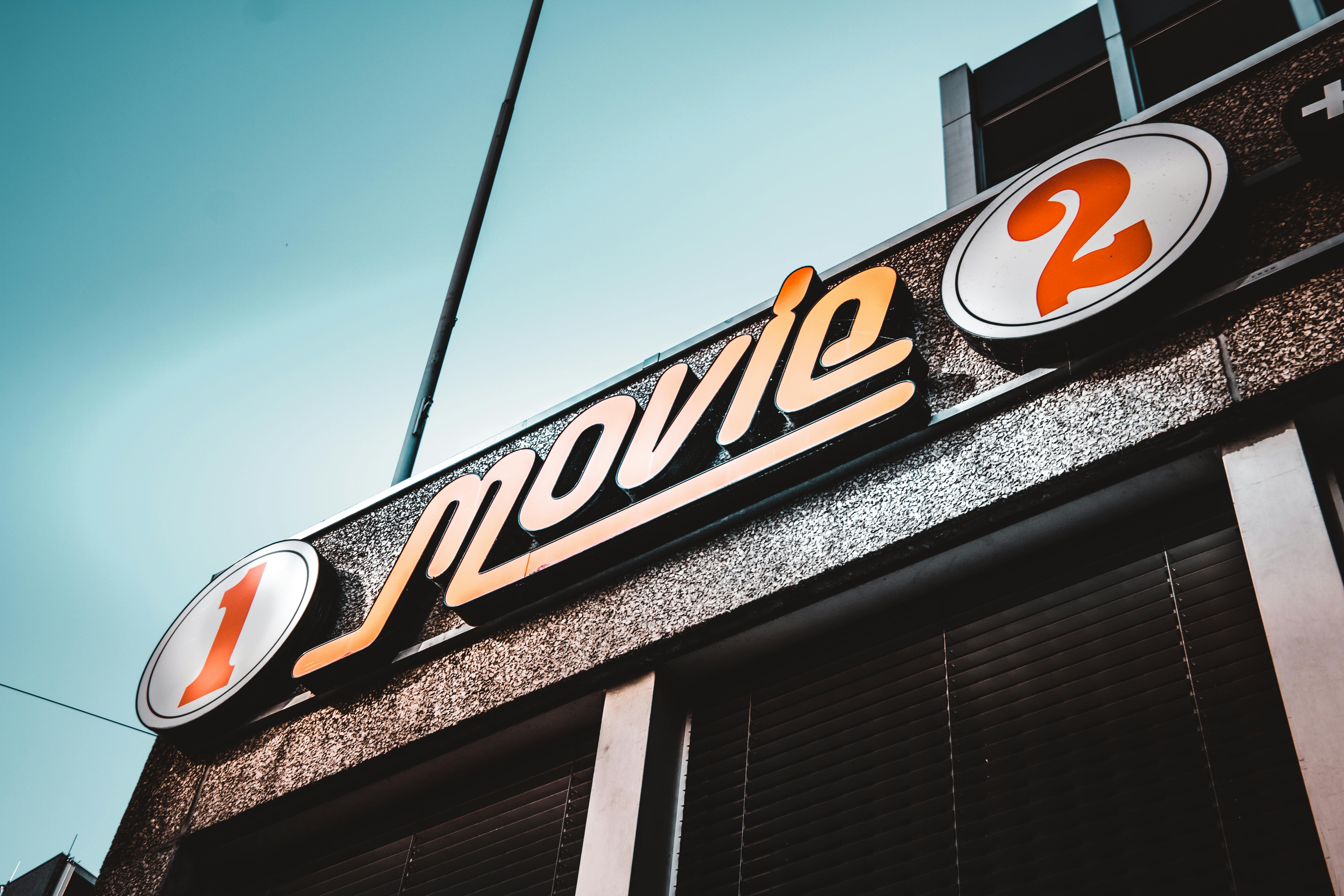
Concession prices at an American multiplex look disproportionate to the cost of the ingredients. The explanation lies in how ticket revenue is divided between the theater and the studio.
Ticket money mostly leaves the building
Exhibitors and distributors split box office receipts under terms negotiated per film. For a major release in its opening weekend, the studio's share is the larger one.
That share typically declines week by week, which is why theaters keep older titles on a screen even as attendance falls. The retained percentage improves as the film ages.
The practical effect is that a theater's gross ticket sales overstate its income considerably. The visible price at the window is not the money the business keeps.
Concessions are retained in full
Nothing from the counter goes to the distributor. Popcorn, soda and candy revenue stays with the exhibitor, minus only the cost of goods and the labor to serve them.
Popcorn in particular has a very low input cost relative to its price. Corn, oil, salt and a paper container are inexpensive against what a large tub sells for.
Fountain soda works the same way, with syrup and carbonated water costing a small fraction of the listed price. These two items carry a disproportionate share of theater profit.
The building is designed around the counter
Lobbies route arriving patrons past the concession stand rather than around it. The path to the auditorium is deliberately the path past the smell of popcorn.
Popping is often done in view and at times chosen for aroma rather than production need. The scent is a functioning part of the merchandising.
Size tiers are structured so the largest option looks like the best value per ounce, which pushes the average sale upward without changing the number of buyers.
Fixed costs do not fall with attendance
A theater pays rent, utilities, projection maintenance and staffing whether an auditorium holds two hundred people or twelve. Almost every cost is fixed against attendance.
That makes per-visitor spend the number that matters. Filling seats without raising spending per head does little for a business shaped like this.
It also explains the expansion into reserved recliners, expanded menus and alcohol service, all of which raise what a single attendee spends on one visit.
Subscription and loyalty programs follow the same logic
Monthly ticket subscriptions look unprofitable measured against admissions alone. They make sense because a subscriber visits more often and buys at the counter each time.
Loyalty programs push toward the same result with points redeemable mainly on food and drink rather than on admission.
Both are attempts to convert an irregular customer into a frequent one, since frequency is what the concession model requires to work.