
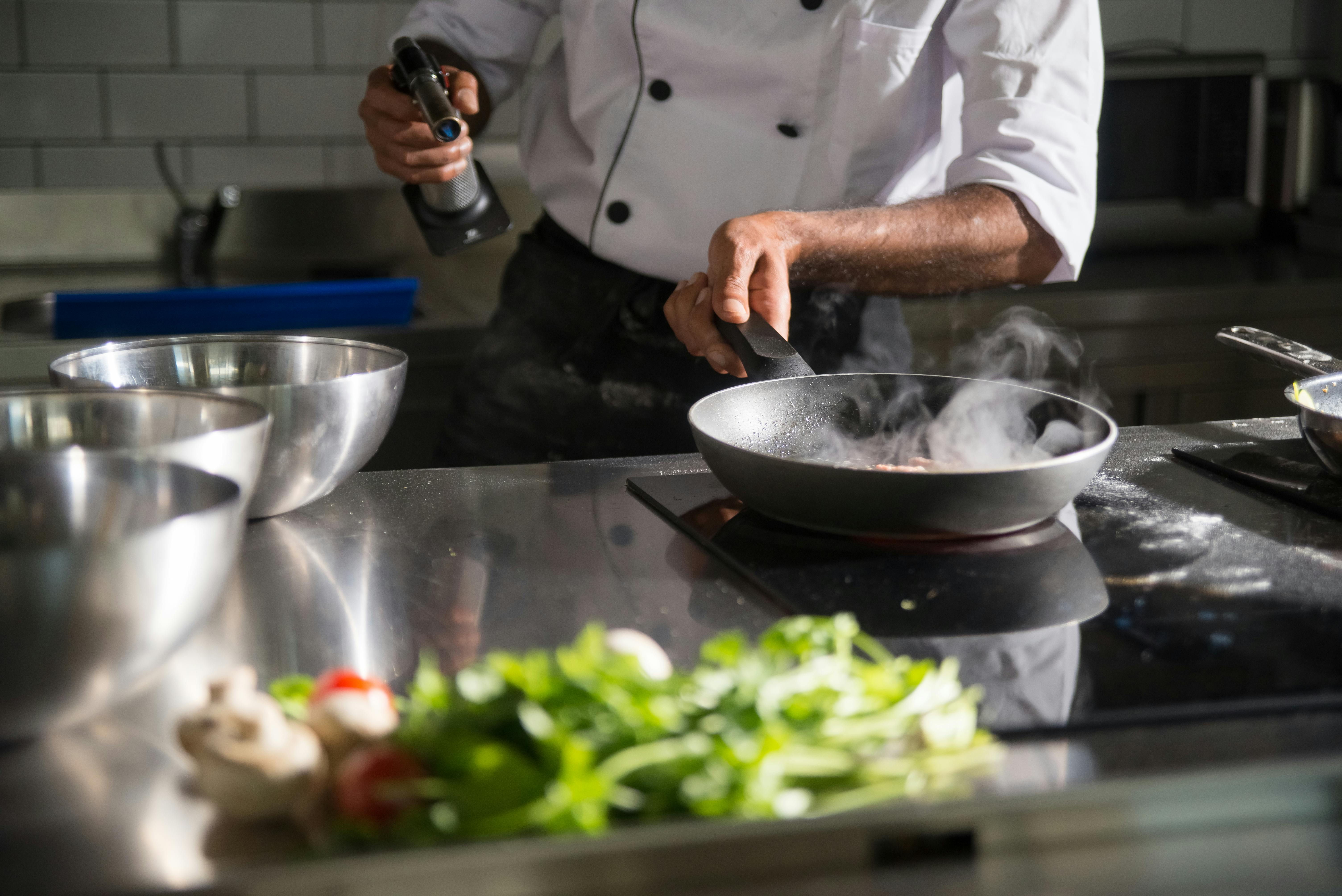
Menus that once ran to several pages now fit on one card. The reduction is an operational decision, and each item removed relieves several constraints at once.
Every dish carries hidden labour before service
A menu item is not just cooked to order. It requires stock, sauces, portioning and prepared components made hours before the first customer arrives.
That preparation is the largest fixed labour cost of a kitchen day, and it scales with the number of distinct items rather than with the number of covers.
Removing a dish that sold rarely eliminates its whole preparation burden while barely touching revenue.
Ingredients that appear once are the expensive ones
A component used across several dishes turns over quickly and is bought in volume. One used in a single dish sits in storage until it is needed or thrown away.
Waste from slow-moving ingredients falls directly on margin, and refrigerated storage space in a working kitchen is severely limited.
Shorter menus are usually designed so that most items share a common base of components, which raises turnover on everything.
Speed under pressure depends on how many things are happening
A kitchen's throughput at peak depends on how many different processes a line must run simultaneously.
Fewer items mean fewer stations, shorter tickets and less time lost to switching, which raises the number of covers a given team can serve.
It also lowers training time, which matters in an industry with persistent staffing turnover.
Delivery adds requirements a dining room never had
Food ordered for delivery must survive packaging and a journey, and many dishes do not.
Restaurants operating both channels increasingly design a menu that travels, which means removing items that arrive in poor condition rather than maintaining two separate offerings.
Delivery platforms also push volume into the same peak hours, which raises the value of a kitchen that can move quickly.
A short menu is also a marketing position
Diners often read a long menu as a sign that little is made fresh, since no kitchen can prepare a hundred items to order.
A tight list signals focus and lets a restaurant change dishes seasonally without reprinting everything.
The commercial argument and the operational one point the same way, which is why the trend has been so uniform across price points.